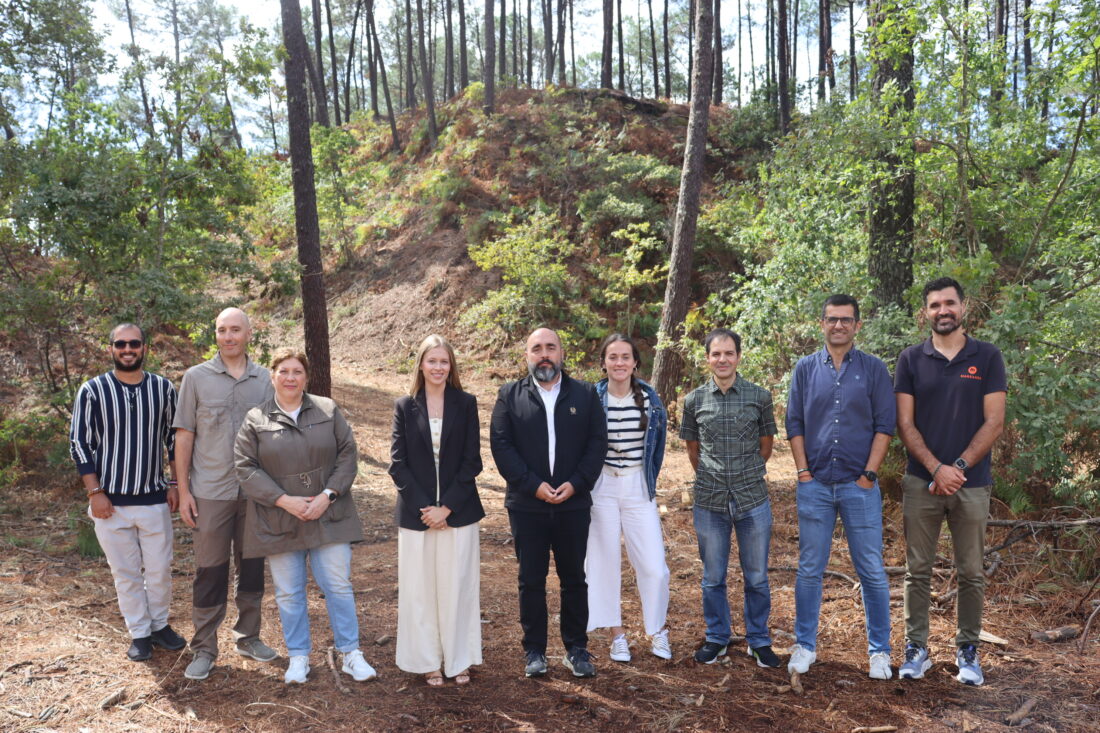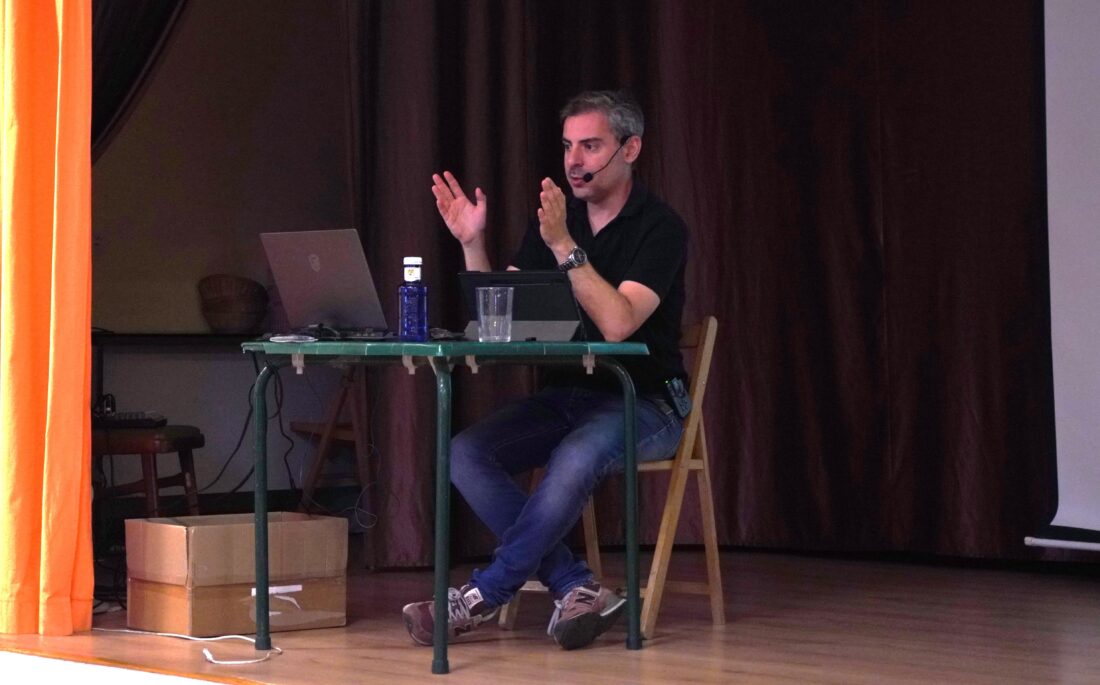
Brais Currás: “Roman mining transformed the landscape of Baixo Miño, with many of these mines now hidden or destroyed”

The researcher from the CSIC Institute of History participated this Thursday at Social de Estás with a talk on the transformation of the valley's landscape and communities during the Roman era The BARferencias series by Fortalezas da Fronteira continued this past Thursday at Social de Estás, in the Tomiño parish of Estás, with a talk by archaeologist and researcher Brais Currás, from the Institute of History of the Spanish National Research Council. Under the title “Roman Gold Mining in Baixo Miño: People, Places, and Settlements”, Currás offered the public an archaeological interpretation of the profound transformation the territory experienced with the arrival and consolidation of Roman rule. During his presentation, the researcher explained that his line of work focuses on the study of the transition between the Iron
The great fortified system of Tui and Valença, the focus of a route and a “BARference” on Border Fortresses

This Friday's programme includes a talk at Al Dente, in the San Antonio Market in Tui, and a guided visit on Saturday, 12 July, to the fortified systems of the former Galician capital and of Valença The activity will be led by archaeologist and University of Minho professor Rebeca Blanco-Rotea and architect Tiago Rodrigues, with the mayors of Tui and Valença in attendance The Fortalezas da Fronteira project continues this week with its programme open to the public, featuring two activities in Tui focused on the fortified landscape of the border. The initiative will combine a new session of the BARferencias cycle, this Friday, 10 July, and a route around Tui’s fortified systems, scheduled for 12 July. The first activity will take place this Friday, 10 July, at 8:30

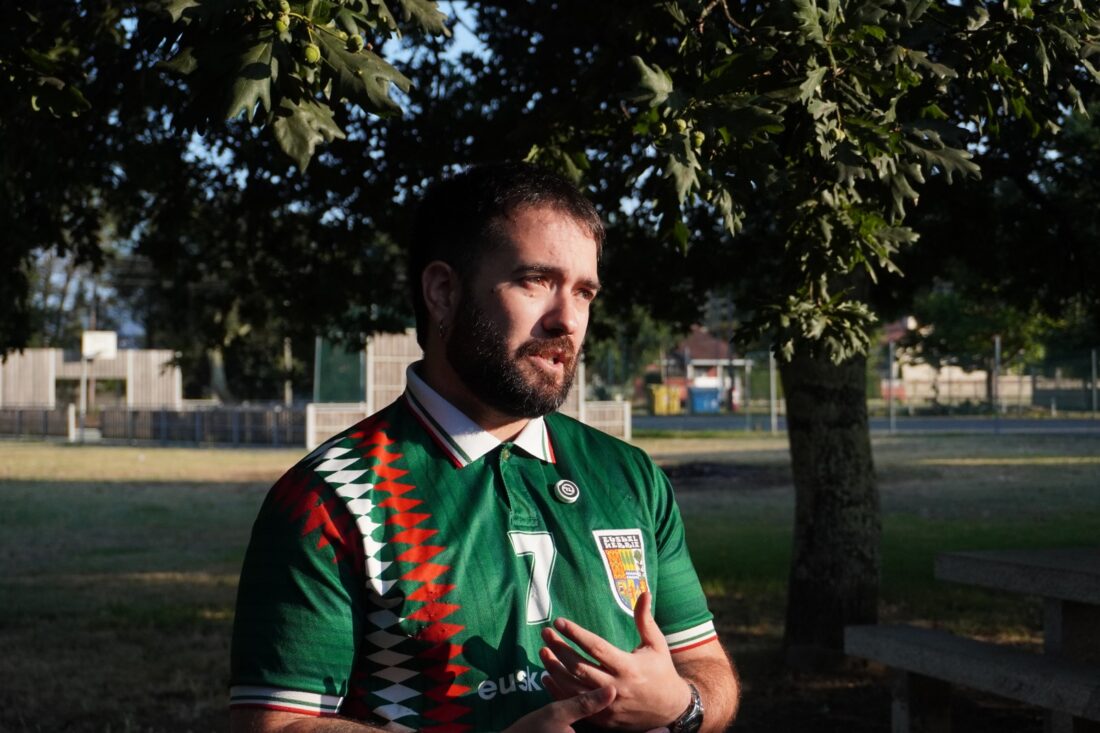
Gorka Martín: “Illegal detectorists, through the looting of archaeological sites, destroy the archaeological contexts of research”

The postdoctoral researcher at the University of the Basque Country opened the Fortalezas da Fronteira BARferências cycle this Monday with the lecture 'Metal Detectors and Archaeology: What Not to Do' The BARferencias cycle organised by Fortalezas da Fronteira began this Monday at Novo Bar, in Carregal, with a talk by University of the Basque Country postdoctoral researcher Gorka Martín Echevarría, entitled Metal Detectors and Archaeology: What Not to Do. The session served to bring the public closer to a key issue in heritage protection: the dangers of the unauthorised and non-systematic use of metal detectors in archaeological contexts. During his presentation, Martín explained that his line of research focuses on conflict archaeology and battlefield archaeology, a field in which metal detectors can be used as a scientific tool

The Fortalezas da Fronteira project returns this July to the Baixo Miño with archaeological excavations, BARferences, and guided routes through the 17th‑century military fortifications

The Fortalezas da Fronteira project returns once again to the As Torres archaeological site, in Taborda, Tomiño, with an intensive programme of archaeological, cultural, heritage, and educational activities. The initiative, promoted by the universities of Santiago and Minho (Portugal) and the Taborda Community of Montes, is accompanied by a new edition of the “As Torres” volunteer camp, organised within the Xunta de Galicia’s Summer Campaign. It combines archaeological research, heritage outreach, social participation, and activities across the territory. As happened last year, Fortalezas da Fronteira will hold numerous BARferences and guided visits — an open programme for the public that will take place between 6 and 18 July and is centred on the Galician‑Portuguese fortifications of the 17th‑century war between Galicia and Portugal. The programme will allow